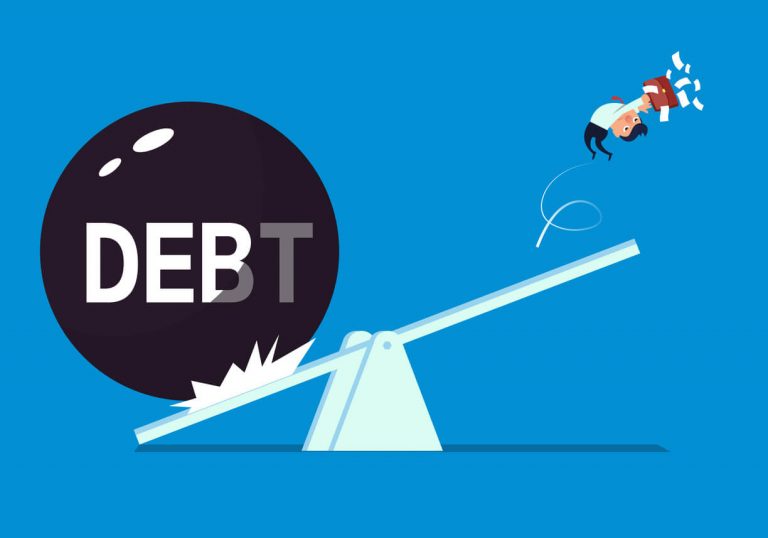
Debt consolidation can be a fantastic way to get your finances back on track—but only if done wisely. Too often, people dive into debt consolidation without fully understanding the process or the potential pitfalls. While the goal is to simplify your payments and reduce your interest rate, one wrong move can actually make things worse.
Whether you’re thinking about consolidating or already in the process, watch out for these five common mistakes that can derail your financial progress.
1. Not Addressing the Root Cause of Your Debt
The Mistake:
Treating debt consolidation like a magic fix without changing the habits that caused the debt in the first place.
Why It’s a Problem:
If overspending or lack of budgeting got you into debt, a consolidation loan won’t stop you from going back into debt again. In fact, paying off your credit cards can give the illusion of financial freedom—tempting you to start swiping again.
What to Do Instead:
Use consolidation as a fresh start, not a free pass. Create a realistic budget, track your spending, and build an emergency fund to avoid relying on credit cards in the future.
2. Choosing the Wrong Consolidation Method
The Mistake:
Jumping into the first consolidation offer you find without comparing your options—or worse, falling for a scam.
Why It’s a Problem:
Not all debt consolidation options are equal. A high-interest loan or an inflexible plan can cost you more in the long run. Some companies also prey on people in financial distress with unrealistic promises or hidden fees.
What to Do Instead:
Do your homework. Compare interest rates, terms, and fees from multiple lenders or services. Only work with reputable banks, credit unions, or certified credit counseling agencies. Look for reviews and check credentials before signing anything.
3. Overlooking the Total Cost of the Loan
The Mistake:
Focusing only on the lower monthly payment, without calculating how much you’ll pay over the life of the loan.
Why It’s a Problem:
A lower monthly payment often means a longer loan term. You may end up paying more in interest over time, even if your interest rate is lower than before.
What to Do Instead:
Always look at the total repayment amount. Use loan calculators to understand how much you’ll really pay and decide if the trade-off is worth it. Sometimes paying a bit more monthly can save you thousands in interest.
4. Missing or Making Late Payments on the New Loan
The Mistake:
Thinking that consolidating your debt means you can relax and pay “whenever.”
Why It’s a Problem:
One missed payment can lead to late fees, a hit to your credit score, or even cancellation of favorable terms—especially with balance transfer cards offering 0% interest for a limited time.
What to Do Instead:
Set up automatic payments if possible. Mark due dates on your calendar or use budgeting apps to stay on track. If you’re working with a debt management plan, stay in close contact with your credit counselor to avoid penalties.
5. Closing All Your Credit Cards Immediately After Consolidation
The Mistake:
Closing all your credit accounts after you’ve paid them off to avoid temptation.
Why It’s a Problem:
While it might seem like a responsible move, closing old accounts can actually hurt your credit score. Credit history and credit utilization ratio are key components of your score—closing accounts reduces both.
What to Do Instead:
Keep your cards open but unused, especially the ones with long histories and low balances. This shows responsible credit use and helps maintain a healthy score. If you’re tempted to use them, tuck them away or cut the physical cards—but don’t close the accounts.
Bonus Tip: Don’t Ignore Professional Help
If you’re unsure whether debt consolidation is right for you—or if you’re feeling overwhelmed—talk to a professional. Certified credit counselors can review your situation, suggest the best options, and even help you negotiate with creditors.
Debt consolidation can be a smart step toward financial freedom, but it’s not a one-size-fits-all solution. Avoiding these common mistakes can help you get the most out of the process—and prevent you from falling back into the same debt trap later.
To recap:
-
Fix the habits that caused your debt
-
Choose the right plan for your needs
-
Understand the true cost of the loan
-
Make every payment on time
-
Maintain your credit history wisely
With the right mindset and careful planning, you can turn debt consolidation into a powerful tool for long-term financial success.